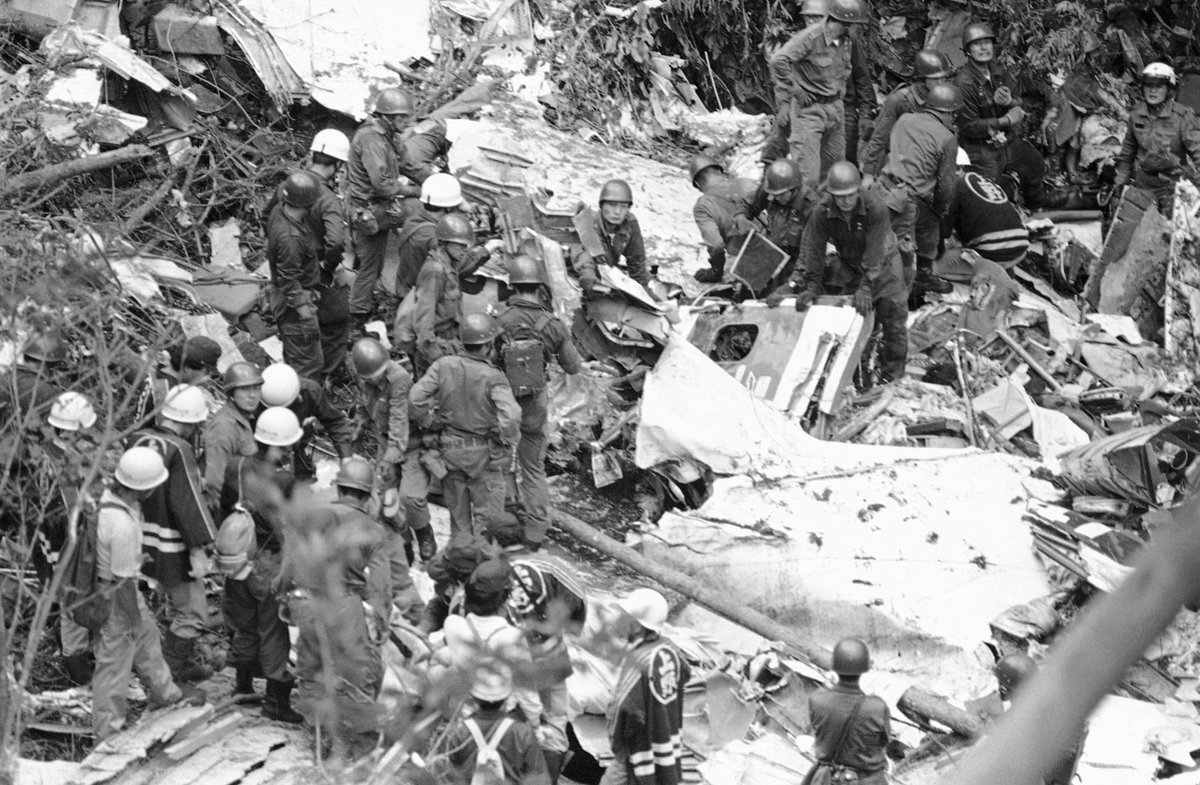
The skies, for all their boundless expanse, have always demanded our utmost respect and engineering prowess. For decades, air travel has been meticulously crafted into one of the safest modes of transport available. Yet, as the closing weeks of 2024 bled into the nascent days of 2025, a troubling pattern emerged: a flurry of significant aviation incidents that has sparked global concern, exposing vulnerabilities that demand immediate and unflinching attention from industry leaders, regulators, and passengers alike. From critical mechanical failures to alarming runway excursions and even a catastrophic mid-air collision, these events have collectively painted a concerning picture, challenging the very foundation of trust we place in modern aviation.
At a Glance: Understanding the Recent Spate of Incidents
- A Troubling Trend: Late 2024 and early 2025 saw an unusual density of significant aviation incidents globally, including crashes, mechanical failures, and runway mishaps.
- Diverse Incident Types: These events spanned tail strikes, hard landings, uncontained engine failures, runway excursions, a mid-air collision, and even a suspected shooting down.
- Serious Consequences: Several incidents resulted in significant fatalities, underscoring the high stakes involved in aviation safety.
- Expert Alarm: Aviation experts, while reiterating air travel's overall safety, have voiced deep concern over the frequency and severity of these recent events.
- Industry's Urgency: The aviation sector is intensely focused on investigating these occurrences to identify root causes and implement preventative strategies, seeking answers to restore confidence and prevent future tragedies.
The Alarming Surge: A Timeline of Recent Setbacks
What exactly has prompted this global conversation about air safety? A look at the incidents themselves reveals a startling breadth of failures and misfortunes. While individual incidents are part of a complex system, their concentration in such a short period is undeniably unsettling.
December 2024: A Month of Unnerving Incidents
The final month of 2024 delivered a series of incidents that served as a stark preview of the challenges ahead:
- December 19: Tail Strike in New Caledonia. A Caledonie ATR 72 experienced a tail strike upon landing at Ouvea, highlighting the precision required during landing and the potential for structural damage even during seemingly routine operations.
- December 22: Hard Landing & Nose Gear Collapse in Belfast. An Emerald UK ATR 72 endured a hard landing in Belfast, resulting in a nose gear collapse. This incident underscores the immense forces aircraft structures withstand and the critical role of landing gear integrity.
- December 23: Uncontained Engine Failure in Austria. A Swiss Airbus A220-300 near Graz suffered an uncontained engine failure. This severe malfunction, where engine components break free and can damage the aircraft, led to onboard smoke and tragically resulted in the death of a flight attendant one week later due to smoke inhalation/oxygen deprivation. Such events are among the gravest mechanical failures.
- December 25: Mysterious Crash in Kazakhstan. An Azerbaijan Embraer 190 near Aktau, Kazakhstan, crashed after reportedly being shot at, losing altitude and impacting the ground. This incident introduces an external, highly dangerous variable that goes beyond typical operational or mechanical issues.
- December 27: Runway Excursion in the Philippines. A PAL Express De Havilland Dash 8-400 veered off the runway upon landing at Bacolod City, Philippines. Runway excursions, even at low speeds, can cause significant damage and pose substantial risks to passengers and crew.
- December 28: Dual Incidents – Hydraulic Problems & Gear Collapse.
- A KLM Boeing 737-800 at Oslo faced hydraulic problems, leading to a runway excursion. Hydraulic systems are vital for flight controls, braking, and landing gear operation, making their failure a critical safety concern.
- On the same day, a PAL De Havilland Dash 8-400 sustained a main gear collapse during a rough landing in Halifax. Two separate gear collapses in a week raise questions about maintenance, operational procedures, or structural resilience.
- December 29: Catastrophic Gear-Up Landing in South Korea. A Jeju Air Boeing 737-800 performed a gear-up landing and overran the runway at Muan, South Korea. This devastating event led to the deaths of 179 out of 181 passengers and crew, making it one of the most tragic aviation disasters in recent memory and a somber end to the year.
January 2025: Continuing Challenges as the New Year Begins
The new year brought little respite, with incidents continuing to challenge the industry's safety record:
- January 7: Another Hard Landing & Nose Gear Collapse in Belfast. An Emerald UK ATR 72 had another hard landing in Belfast, again collapsing its nose gear. This recurrence, involving the same airline and incident type, signals a potentially systemic issue demanding urgent scrutiny.
- January 8: Nose Gear Collapse at the Gate in Brussels. A TUI Boeing 737 at Brussels suffered a nose gear collapse while parked at the gate. While less immediately dangerous than an in-flight incident, it indicates potential structural or maintenance issues.
- January 10: Engine Failure During Takeoff in Atlanta. A Delta Boeing 757-300 at Atlanta aborted takeoff due to engine failure. Aborted takeoffs due to engine issues, though often managed safely, are high-stress events that require swift, precise crew action.
- January 19: Cabin Fumes on a Qantas Flight. A Qantas Airbus A330-200 near Cairns reported fumes in the cabin. Cabin air quality and the presence of unknown fumes can be disorienting and dangerous for passengers and crew.
- January 20: Tire Damage on Karun Airlines. A Karun Airlines Fokker 100 sustained tire damage during takeoff and landing on its Sirjan-to-Tehran route. Tire integrity is crucial for safe takeoff and landing, and damage can lead to further complications like runway excursions or gear collapse.
- January 21: Runway Overrun in Congo. Kasai Airlines' Antonov An-26 overran the runway during landing at Kongolo. This adds to the growing list of runway-related incidents.
- January 28: Dual Incidents – Fire & Nose Gear Collapse.
- A Busan Air Airbus A321 caught fire during departure preparations at Busan. Fires on aircraft, especially before takeoff, are extremely dangerous and demand immediate evacuation.
- On the same day, a Max Air Boeing 737-400 in Kano faced a nose gear collapse upon landing. The persistent occurrence of gear collapses remains a significant concern.
- January 29: Mid-Air Collision & Independent Crash.
- A PSA Bombardier CRJ700 collided midair with a helicopter near Washington while on final approach, leading to catastrophic loss of life. Mid-air collisions are among the rarest and most devastating aviation disasters, often resulting from air traffic control errors, communication failures, or inadequate see-and-avoid protocols.
- Also, an Eagle Beechcraft 1900 flying over Bentiu lost height and crashed. Two separate crashes on the same day highlight the diverse nature of aviation risks.
- January 31: Air Ambulance Crash in Philadelphia. A Learjet 55 air ambulance carrying six people crashed into a Philadelphia street shortly after takeoff from Northeast Philadelphia Airport. All six on board died, plus one person in a car, totaling seven fatalities. This tragic event underscores that even specialized aircraft and missions are not immune to critical failures.
February 2025: A Continued Precautionary Approach
- February 2: Engine Issues Before Takeoff in Houston. Passengers aboard a United Airlines flight from Houston to New York were evacuated before takeoff due to engine issues; no injuries were reported. While ending safely, it reinforces the ongoing vigilance required for engine reliability.
Beyond the Headlines: Understanding the Context of Aviation Safety
The sheer volume and severity of these incidents are undeniably alarming. It's easy to feel a growing sense of unease when you see such a list. However, it’s crucial to contextualize these events within the broader landscape of aviation.
Sharon Petersen, CEO of AirlineRatings, offers a vital perspective: "While incidents are regular across all transport modes, air accidents gain global attention and often result in higher loss of life." She rightly described the recent crashes with devastating fatalities as "unacceptable and deeply concerning." Despite these harrowing events, she reinforces a fundamental truth: air travel remains the safest mode of transport.
This isn't to diminish the gravity of the recent occurrences but to emphasize that each incident, no matter how minor, triggers an exhaustive investigative process. The industry doesn't just sweep these under the rug; it dissects them with surgical precision to understand precisely what went wrong.
The Anatomy of an Aviation Incident: Where Do Things Go Awry?
Aviation incidents are rarely caused by a single factor. They are typically the result of a chain of events, often involving a combination of elements. Understanding these categories is crucial for effective prevention:
- Mechanical Failure: This category includes issues like engine malfunctions (as seen with the Swiss A220 and Delta 757), hydraulic system failures (KLM 737), landing gear collapses (Emerald UK ATR 72, PAL Dash 8, TUI 737, Max Air 737), tire damage (Karun Airlines Fokker 100), and other structural or system breakdowns. Modern aircraft are incredibly complex machines, and even with rigorous maintenance, components can fail.
- Human Error: This is a broad category encompassing pilot error (e.g., misjudgment during landing leading to a hard landing or tail strike), air traffic control errors (a potential factor in the mid-air collision), maintenance errors, or even ground crew mistakes. While automation has reduced some forms of human error, the human element remains central to flight operations.
- Environmental Factors: Adverse weather conditions (wind shear, heavy rain, ice, fog) can significantly complicate flight operations, contributing to incidents like runway excursions (PAL Express Dash 8, Kasai Airlines An-26).
- Infrastructure Issues: Problems with runways (e.g., contamination, insufficient friction), airport lighting, or navigation aids can play a role in incidents.
- External Factors: Rare but catastrophic events like a suspected shooting down (Azerbaijan Embraer 190) or a bird strike fall into this category. The mid-air collision (PSA CRJ700 and helicopter) also involves external aircraft interaction.
- Fire on Board: As seen with the Busan Air Airbus A321, fires, whether electrical, engine-related, or from other sources, are extremely dangerous and require immediate and well-rehearsed emergency protocols.
Every investigation aims to untangle this complex web, identifying both the immediate cause and any contributing factors. This meticulous process is what allows the industry to learn and improve.
Preventing Future Tragedies: The Industry's Unwavering Resolve
When an incident occurs, the global aviation community mobilizes. Regulatory bodies, airlines, manufacturers, and accident investigation boards collaborate intensely. Their primary goal isn't blame, but understanding—to uncover every detail, identify the root causes, and implement changes that prevent recurrence.
- Continuous Improvement: Aviation safety isn't a static achievement; it's a relentless pursuit of perfection. Every incident, no matter how small, becomes a case study. New protocols, design changes, training enhancements, and maintenance revisions are constantly being introduced based on lessons learned.
- Technological Advancements: From advanced avionics and automation to sophisticated diagnostic tools and materials science, technology continually improves aircraft safety and reliability. However, as some of these incidents illustrate, even the most advanced systems can face unforeseen challenges.
- Regulatory Oversight: Agencies like the FAA (in the US) and EASA (in Europe) establish stringent regulations for aircraft design, manufacturing, maintenance, and operation. These regulations are regularly updated in response to new findings and incidents.
- Training and Simulation: Pilots, air traffic controllers, and maintenance crews undergo rigorous, continuous training, often utilizing advanced simulators to prepare for a vast array of normal and emergency situations.
The industry is, as Sharon Petersen notes, "desperate for answers to implement strategies that prevent future tragedies." This desperation is a powerful motivator for positive change. The incidents of late 2024 and early 2025 serve as a collective wake-up call, urging an even deeper dive into the resilience of our systems and the efficacy of our preventative measures. Exploring the depths of engineering failures, for instance, offers critical insights into how such disasters unfold and, more importantly, how they might be averted. Sometimes, the most profound lessons on prevention come from dissecting the very events where things went catastrophically wrong, shedding light on the intricate chain reactions that transform a minor anomaly into a major crisis, as explored in Disasters Engineered Episode 6.
A Vigilant Sky Ahead: What You Should Know
While the recent incidents are concerning, they do not erase the fundamental safety record of air travel. It remains statistically your safest option for long-distance journeys. However, staying informed and understanding the industry's commitment to safety can provide reassurance.
- Trust the Process: When an incident occurs, trust that expert investigators are working tirelessly to uncover the truth. Their findings lead directly to actionable improvements.
- Your Role as a Passenger: Pay attention to safety briefings, understand emergency procedures, and report any unusual observations to cabin crew. Your vigilance contributes to overall safety.
- Advocacy for Safety: Support initiatives that promote robust aviation safety standards and continued investment in technology, training, and infrastructure.
The recent spate of Transportation & Aviation Disasters serves as a potent reminder that safety is a journey, not a destination. It demands eternal vigilance, continuous learning, and an unwavering commitment to improvement. As the investigations into these latest incidents unfold, the global aviation community will undoubtedly emerge with renewed strategies, reinforcing the intricate web of safety that keeps us soaring towards our destinations.