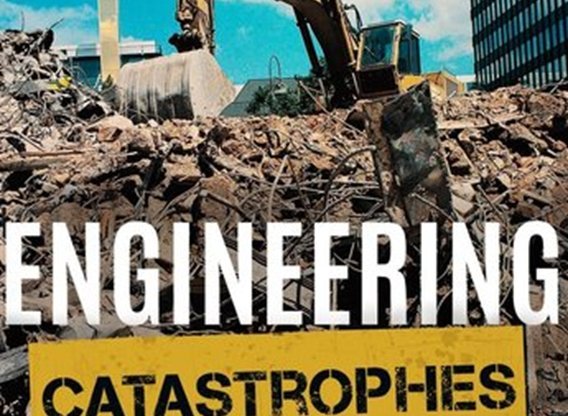
Structural Engineering Catastrophes Expose Critical Flaws That Cost Lives
When we look up at a soaring skyscraper, cross a massive bridge, or walk through a busy airport terminal, we rarely think about the intricate calculations, the countless blueprints, or the immense trust we place in the engineers who designed them. Yet, behind every marvel of modern construction lies a profound responsibility—a silent pact that the structure is safe, robust, and will endure. When that trust is broken, the consequences are catastrophic, revealing critical flaws that often cost lives and shake our confidence in the built world. Structural engineering catastrophes are not just accidents; they are often profound lessons etched in steel and concrete, demanding our attention and rigorous re-evaluation of how we build.
At a glance: What You'll Learn About Structural Engineering Catastrophes
- Human Error is Often the Root Cause: Design flaws, communication breakdowns, and ethical lapses frequently underpin catastrophic failures.
- Every Disaster is a Teachable Moment: Historical collapses offer invaluable insights into preventing future tragedies.
- Common Mistakes Persist: Underestimating loads, poor materials, communication gaps, and cutting corners are recurring themes.
- Prevention Hinges on Best Practices: Rigorous testing, peer review, transparent communication, and unwavering ethical commitment are non-negotiable.
- Engineers are the Guardians of Safety: It's their responsibility to advocate for safety culture, continuous learning, and meticulous documentation.
The Unseen Battlefield: Decoding Why Structures Fail
Engineered structures are meant to stand the test of time, weathering storms, seismic shifts, and the relentless pull of gravity. But sometimes, they fail spectacularly, leaving behind a trail of destruction and fundamental questions. These failures are rarely simple; they often arise from a complex interplay of factors, each a chink in the armor of design and construction.
Imagine a bridge designed to carry thousands of cars daily. Its steel girders, concrete deck, and supporting cables are all precisely calculated to bear anticipated loads. But what if the wind forces were underestimated? Or the quality of the steel compromised? What if a last-minute design change wasn't properly vetted? Any one of these, or a combination, can turn a feat of engineering into a tragedy.
At their core, structural engineering catastrophes highlight failures in one or more critical areas:
- Design Flaws: Miscalculations, inadequate analysis of environmental forces (wind, seismic activity), or simply a poor understanding of how materials behave under stress.
- Material Deficiencies: Using substandard materials, incorrect material application, or undetected flaws within the materials themselves.
- Construction Errors: Deviations from blueprints, poor workmanship, or inadequate supervision during the building process.
- Communication Breakdowns: A lack of clear, consistent, and documented communication between architects, engineers, contractors, and owners.
- Ethical Lapses & Neglect: Cost-cutting measures that compromise safety, ignoring warning signs, or deliberate bypassing of codes and regulations.
- Environmental Factors: Unforeseen or underestimated natural forces, though often these expose underlying design weaknesses.
Understanding these categories helps us move beyond simply blaming "accidents" and instead allows us to pinpoint specific areas where systems and human decisions need strengthening.
Echoes of Collapse: Landmark Structural Engineering Catastrophes and Their Lessons
The history of structural engineering is, in many ways, a history of learning from failure. Each major collapse serves as a stark reminder of the immense stakes involved and has spurred advancements in design, materials, and safety protocols. Let's look at some pivotal examples:
The Tacoma Narrows Bridge (1940): When Wind Became a Weapon
Affectionately nicknamed "Galloping Gertie," the Tacoma Narrows Bridge was a marvel of slender design when it opened in Washington State. Just four months later, it famously twisted, rippled, and collapsed under moderate winds. The cause? A design that failed to account for aeroelastic flutter—a dangerous interaction between wind forces and the bridge's flexible structure. There was no full-scale wind tunnel testing, and its narrow, lightweight deck made it particularly susceptible.
The enduring lesson: Comprehensive testing, particularly against environmental forces, is non-negotiable. This disaster single-handedly revolutionized bridge design, mandating extensive wind tunnel testing and emphasizing the need for interdisciplinary design teams who consider every possible interaction.
The Hyatt Regency Walkway (1981): The Deadly Domino Effect of Poor Communication
In Kansas City, a lively tea dance turned into a nightmare when two suspended walkways collapsed, killing 114 people. The investigation revealed a chillingly simple root cause: a last-minute design change. The original plan used single support rods, but a contractor-requested modification to double the length of the rods meant the load on critical anchor points doubled. This change, poorly communicated and inadequately reviewed, put an unbearable stress on the connections, leading to failure.
The enduring lesson: Every design change request, no matter how minor it seems, must undergo rigorous review, formal sign-off, and reassessment for structural impact. Clear, traceable communication channels between all project stakeholders are vital.
The Sampoong Department Store (1995): A Catastrophe Forged in Greed
Over 500 lives were lost in Seoul, South Korea, when the Sampoong Department Store collapsed—a tragedy rooted in profound ethical failures and relentless cost-cutting. The building's owner unilaterally added a fifth floor, ignoring engineers' warnings. Poor quality materials, visible cracks that were ignored, and a complete lack of proper inspections compounded the risks. The final trigger: heavy air conditioning units placed on a weakened roof, which had been moved without structural analysis.
The enduring lesson: Ethical responsibility is paramount in engineering. Approved plans and building codes must be enforced rigorously at every stage. Safety concerns should never be sacrificed for cost or convenience.
The Quebec Bridge (1907 & 1916): Pride Preceding a Double Fall
This colossal cantilever bridge collapsed not once, but twice during construction, claiming 75 lives in 1907 and 13 in 1916. The initial disaster was largely due to critical calculation errors that severely underestimated the bridge's weight. Overconfident project leads ignored on-site warnings about alarming deformation, tragically prioritizing speed over safety.
The enduring lesson: Peer review of structural calculations is indispensable. Material testing for large projects is crucial, and most importantly, on-the-ground feedback from engineers and workers must always be taken seriously and shape decision-making.
The Miami Pedestrian Bridge (2018): Rushed Innovation and Ignored Warnings
Six people died when a pedestrian bridge at Florida International University collapsed during construction. This modern, "accelerated bridge construction" project was plagued by design flaws, rushed timelines, and critically, ignored warnings about visible cracks. Work continued, and traffic was allowed underneath, despite serious concerns raised by engineers, illustrating a fatal disconnect between observation and action.
The enduring lesson: Project speed must never compromise safety. Structural innovation requires rigorous, independent checks and constant monitoring. Any visible warning signs, like cracks, demand immediate and decisive action, including stopping work and securing the area.
Other Significant Structural Engineering Catastrophes and Their Insights:
- The Leaning Tower of Pisa (construction started 1173): Its iconic tilt began early due to inadequate foundation planning for the soft, unstable alluvial soil. Lesson: Thorough site studies and soil analysis are non-negotiable.
- The Rana Plaza Collapse (2013): Over 1,100 died in Bangladesh due to unauthorized additional floors, poor materials, and ignored visible cracks. Lesson: Building code enforcement and immediate action on observed damage save lives.
- The St. Francis Dam Failure (1928): Catastrophic failure due to poor design and low-quality concrete undermining foundations. Lesson: Foundation integrity and material quality are paramount for critical infrastructure.
- The Vasa Disaster (1628): This Swedish warship sank on its maiden voyage due to inherent instability from too much weight in its upper hull. Lesson: Stability calculations must be precise and account for all loaded conditions.
Decoding Failure: Common Threads in Catastrophes
While each disaster has its unique story, recurring themes emerge when you examine structural engineering catastrophes. These aren't isolated incidents but patterns of avoidable mistakes that continue to challenge our profession:
- Underestimating Forces: A consistent failure to accurately predict or calculate the loads, environmental stresses (wind, water, seismic activity), or material behaviors that a structure will face.
- Material Misjudgment: Using poor quality materials, failing to test materials thoroughly, or assuming materials will perform as specified without verification.
- Communication Breakdown: A siloed approach where design, engineering, construction, and inspection teams don't share critical information or where concerns are not escalated effectively.
- Site Blindness: Neglecting thorough site studies, especially soil analysis and environmental conditions, leading to foundations or designs ill-suited for the location.
- The Peril of Shortcuts: Prioritizing cost savings or aggressive deadlines over safety, leading to skipped inspections, overlooked warning signs, or unauthorized design changes.
- Ignoring Red Flags: A pervasive culture where visible cracks, deformations, or on-site warnings from engineers are dismissed or downplayed.
- Lack of Independent Review: Relying solely on internal checks without external, unbiased peer review for complex calculations or innovative designs.
These common mistakes aren't just technical blunders; they often reveal organizational and ethical weaknesses that must be addressed from the top down.
Building a Safer Future: Essential Engineering Best Practices
Preventing future structural engineering catastrophes isn't just about avoiding mistakes; it's about actively implementing a culture of excellence and safety. Here are the bedrock principles:
- Rigorous Peer Review: Mandate independent peer review for all critical calculations, designs, and major structural components. A fresh set of expert eyes can catch errors that internal teams might miss.
- Advanced Simulation and Testing: Utilize cutting-edge modeling, simulation, and physical testing for all major structural elements, especially for novel designs or those exposed to extreme conditions. This includes wind tunnel tests, material stress tests, and seismic simulations.
- Open and Documented Communication: Establish clear, formal communication protocols across all project teams—design, engineering, construction, and client. Every decision, change, and concern must be documented, dated, and formally acknowledged.
- Strict Code Enforcement and Ethical Guidelines: Uphold and enforce building codes, industry standards, and professional ethical guidelines without compromise. This requires continuous training and a commitment from all stakeholders.
- Formal Change Management: Implement a stringent process for tracking, reviewing, and approving all design changes, no matter how minor. Each change must be reassessed for its structural impact and formally signed off.
- Routine, Independent Site Inspections: Regular inspections by qualified, independent third parties are crucial to ensure compliance with design specifications and building codes. These should not be rushed or superficial.
- Continuous Training and Education: Invest in ongoing professional development for all engineers, technicians, and construction workers. Staying current with emerging technologies, materials, and lessons learned is vital.
- Reliable, Tested Materials: Source materials from reputable suppliers, ensure they meet specifications, and conduct independent testing to verify quality.
- Immediate Response to Warning Signs: Develop clear protocols for identifying and immediately responding to any structural warning signs, such as cracks, deformations, or unusual noises. This includes stopping work and evacuating if necessary.
- Prioritize Life and Safety: Embed a culture where human life and safety always take precedence over schedules, budgets, and personal convenience. This is the ultimate ethical imperative.
Beyond the Blueprint: Practical Risk Mitigation for Engineers
As an engineer, your role extends far beyond the drawing board. You are a critical safeguard against failure. Here’s how you can actively minimize risk in every project:
- Cultivate a Safety-First Site Culture: Foster an environment where every team member, from the project manager to the newest laborer, feels empowered and obligated to report concerns without fear of retaliation.
- Meticulous Documentation: Document every stage of the project—design iterations, calculations, material specifications, meeting minutes, inspection reports, and change orders. A robust paper trail is your best defense and a crucial learning tool.
- Leverage Advanced Tools: Utilize building information modeling (BIM), finite element analysis (FEA), and other simulation tools to identify potential weak points and optimize designs before construction even begins.
- Implement Checks and Balances: Structure responsibilities to prevent single points of failure. For example, separate the design review from the construction oversight, or have different teams handle different aspects of quality control.
- Regular Physical Site Walkthroughs: Don't rely solely on reports. Conduct frequent, hands-on site walkthroughs to observe progress, identify discrepancies, and interact directly with construction crews.
- Build Interdisciplinary Teams: Collaborate closely with architects, materials scientists, geotechnical engineers, and other specialists. Diverse perspectives help identify blind spots and foster more robust solutions.
- Advocate for Adequate Budgeting: Champion the need for sufficient budget allocation for thorough investigations, quality materials, independent reviews, and safety measures. Cutting corners here is a false economy.
To truly understand the nuances of engineered solutions and how to mitigate risks, it's often helpful to Explore Disasters Engineered Episode 6, which delves deeper into specific historical failures and their ripple effects on modern practices.
Fostering a Culture of Safety: The Engineer's Role in Advocacy
Preventing structural engineering catastrophes isn't just about adhering to rules; it's about actively shaping the environment in which engineering work is done. Engineers have a unique responsibility to advocate for a robust safety culture:
- Create Safe Reporting Channels: Ensure there are clear, confidential avenues for reporting concerns about design, materials, or construction practices, guaranteeing protection for whistleblowers.
- Promote Continuous Learning: Advocate for and participate in ongoing education on new standards, codes, materials, and lessons learned from both successes and failures.
- Embed Ethics as a Core Value: Initiate and participate in discussions about ethical dilemmas in engineering, ensuring that professional integrity is a team discussion, not just a personal one.
- Collaborate with Regulators: Work proactively with inspectors and regulatory agencies to strengthen enforcement mechanisms and ensure that codes are practical, up-to-date, and effectively implemented.
- Challenge Assumptions: Encourage a workplace where challenging design assumptions, construction methods, or project timelines is seen as a strength, not a weakness.
Staying Ahead of the Curve: Resources for Ongoing Excellence
The field of structural engineering is dynamic, with new materials, methods, and challenges constantly emerging. Staying current is essential for preventing future structural engineering catastrophes. Here are vital resources:
- Industry Codes and Standards: Regularly consult and implement the latest codes from organizations like the American Institute of Steel Construction (AISC), American Concrete Institute (ACI), and your local building code authorities.
- Regulatory Bodies: Familiarize yourself with and adhere to regulations from bodies like the Occupational Safety and Health Administration (OSHA) that govern construction site safety.
- Specialized Textbooks: Keep foundational and advanced structural engineering textbooks (e.g., Structural Engineering Reference Manual, Structural Analysis by R.C. Hibbeler) as part of your core library for reference and deeper understanding.
- Case Study Archives and Technical Journals: Actively review case studies of past failures and successes from national engineering societies (e.g., ASCE) and peer-reviewed technical journals. Learning from history is the most powerful preventative tool.
- Continuing Education: Participate in certification programs, webinars, workshops, and continuing education courses offered by professional organizations and universities. This ensures your knowledge remains sharp and current.
- Professional Organizations: Engage with professional engineering organizations; they offer networking, mentorship, and access to a wealth of knowledge and best practices.
The Unbreakable Trust: An Ongoing Commitment
Structural engineering catastrophes are tragic reminders of the immense responsibility engineers carry. They are vivid illustrations that every line drawn on a blueprint, every calculation made, and every material chosen has profound implications. While the past is replete with devastating examples, it is also rich with lessons—lessons that have driven innovation, strengthened codes, and forged a deeper commitment to safety.
As an engineer, your commitment to continuous learning, rigorous best practices, open communication, and an unwavering ethical compass is the most powerful shield against future failures. It's about building not just structures, but also an unshakeable trust, ensuring that the marvels of engineering continue to uplift, protect, and serve humanity for generations to come. The stakes are, quite literally, life and death, and meeting this challenge is the highest calling of the structural engineering profession.