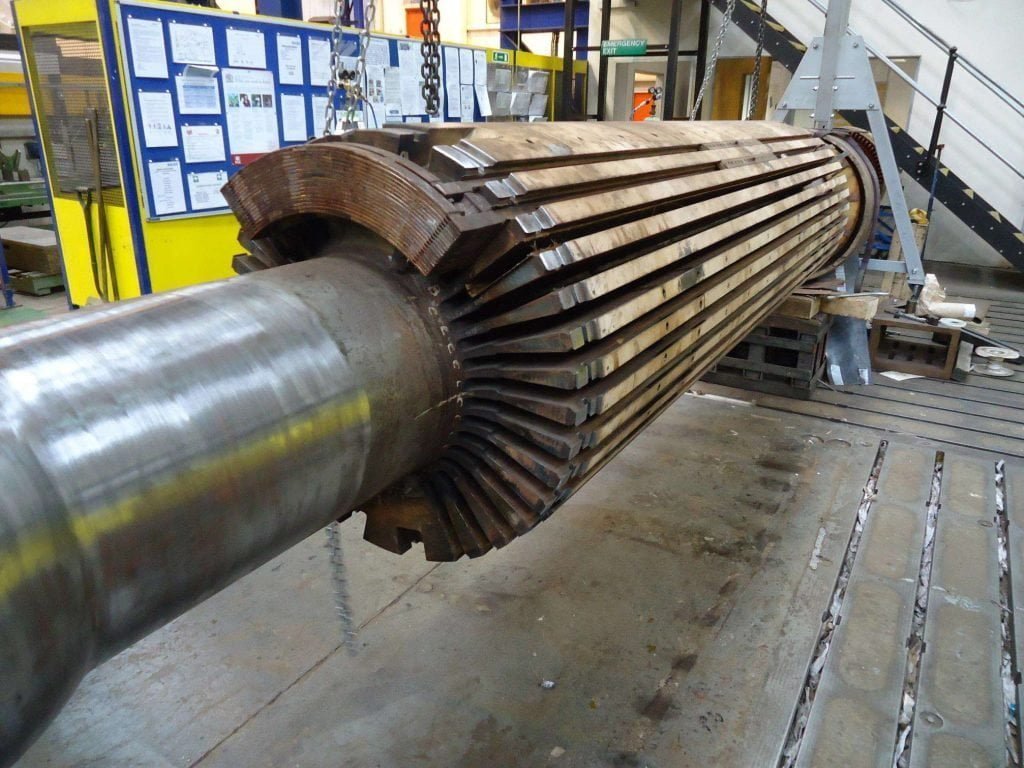
When a structure buckles, a component snaps, or a product unexpectedly fails, it’s rarely just "bad luck." More often, it's a profound story waiting to be told – a story that Materials Science in Failure Investigations is uniquely equipped to unravel. This isn't just about figuring out what broke; it's about diving deep into the very essence of the materials, understanding why they gave up, and ensuring we learn critical lessons to prevent future catastrophes.
Imagine a world where every broken part holds a secret, a blueprint for stronger, safer designs. That’s the world materials scientists inhabit. They are the forensic detectives of the engineering realm, using advanced tools and deep knowledge to reconstruct the moments leading to failure, translating the whispers of cracked metal and degraded polymers into actionable insights.
At a Glance: Key Takeaways
- Failure Analysis is Crucial: It’s a systematic investigation that uncovers the root causes of material breakdown, leading to safer designs and more reliable products across all industries.
- Common Culprits: Most failures stem from mechanical stress (fatigue, overload), chemical attack (corrosion), or thermal degradation (creep, extreme temperatures).
- The Investigator’s Arsenal: Scientists use powerful techniques like Scanning Electron Microscopy (SEM), X-ray Diffraction (XRD), and various mechanical tests to probe material structure and properties.
- Two Critical Techniques: Examining fracture surfaces (the broken face) and cross-sections (slices through the material) are paramount for identifying specific failure mechanisms.
- Beyond the Break: Identifying the failure mechanism is just the start; the ultimate goal is Root Cause Analysis (RCA) to implement preventive measures and drive future innovation.
- Proactive Prevention: Lessons learned from failures don’t just fix problems; they fuel the development of advanced materials and predictive technologies that anticipate and prevent issues before they occur.
The Silent Storytellers: Why Materials Science Matters
Every bolt, every beam, every circuit board has a story. Most of the time, that story is one of unwavering service. But sometimes, under immense stress, harsh environments, or simply the passage of time, the material's integrity gives way. This moment of failure, while potentially catastrophic, presents an invaluable opportunity for learning and improvement.
Materials science in failure investigations is the systematic detective work that follows such incidents. It’s an intricate blend of metallurgy, chemistry, physics, and engineering, all focused on understanding how and why materials succumb to their environment or operational demands. This isn't just about post-mortem analysis; it's a proactive feedback loop that informs better design, smarter material selection, and more robust manufacturing processes.
From the aerospace industry, where a microscopic flaw can ground an entire fleet, to the automotive sector, where component reliability ensures passenger safety, to construction and energy, where structural integrity is paramount, failure analysis is an indispensable tool. It helps mitigate risks, extends product lifespans, and builds consumer trust by ensuring that lessons learned from breakdowns lead to stronger, more dependable solutions.
The Usual Suspects: Common Failure Mechanisms & Types
Materials can fail in myriad ways, but most breakdowns can be traced back to a few fundamental mechanisms. These "culprits" often interact, making the investigator's job a complex puzzle.
1. Mechanical Failures: When Forces Overwhelm
These are perhaps the most intuitive types of failures, occurring when the applied forces exceed a material's capacity.
- Fatigue: Imagine bending a paperclip back and forth until it breaks. That’s fatigue in action. It’s the most common cause of mechanical failure, happening under repeated or cyclic loading, even if the stress levels are far below the material's ultimate strength. Microscopic cracks initiate and grow with each cycle until the remaining material can no longer support the load, leading to sudden, often catastrophic, fracture. You won't typically see significant deformation before a fatigue failure.
- Ductile Overload: This occurs when a material, capable of deforming plastically (like a stretched rubber band before it snaps, but on a metal), is subjected to a load beyond its yield strength. The material stretches, thins, and eventually breaks, often exhibiting a "cup-and-cone" fracture surface (a visibly dull, fibrous break) and significant plastic deformation (like "necking" in a tensile test specimen).
- Brittle Overload: In contrast, brittle materials (think glass or cast iron) fracture suddenly with little to no prior plastic deformation when subjected to a load beyond their tensile strength. Their fracture surfaces often appear shiny, crystalline, or faceted.
- Impact: A sudden, high-energy load can cause an impact failure. The material's ability to absorb this energy (its toughness) is critical. Impact failures can be ductile or brittle, depending on the material and temperature.
2. Chemical Failures: The Environment Strikes Back
Materials are rarely in a vacuum. Their interaction with the surrounding environment can lead to significant degradation.
- Corrosion: This is the most prevalent chemical failure, particularly in metals. It's an electrochemical process that degrades a material, often converting refined metals into more stable compounds (like rust on iron). Factors like pH levels, temperature, and the presence of salts or other reactive chemicals significantly influence corrosion rates. Forms include general corrosion, pitting corrosion (small, deep holes), crevice corrosion (in confined spaces), and galvanic corrosion (when two dissimilar metals are in contact).
- Environmental Assisted Cracking (EAC): This category includes more insidious forms where a corrosive environment synergistically combines with stress to cause cracking. Examples include Stress Corrosion Cracking (SCC), where a normally ductile material fractures in a specific corrosive environment under tensile stress, and Corrosion Fatigue, where cyclic loading in a corrosive environment accelerates crack growth far beyond what either factor would cause alone.
3. Thermal Failures: When the Heat is On
Temperature extremes, whether constant high heat or rapid fluctuations, can also lead to material breakdown.
- Creep: This is the slow, time-dependent deformation of a material under constant stress, usually at elevated temperatures. Think of a shelf slowly bending over years under the weight of books. While a material might withstand a certain load at room temperature indefinitely, at high temperatures, atoms can move more freely, leading to gradual, irreversible deformation and eventual fracture.
- Thermal Fatigue: Repeated heating and cooling cycles can induce stresses due to thermal expansion and contraction. If these stresses exceed the material's yield strength, cracks can initiate and propagate, similar to mechanical fatigue.
- Overheating/Thermal Degradation: Prolonged exposure to high temperatures can fundamentally alter a material's microstructure and properties. For metals, this might mean grain growth or changes in precipitate phases, leading to softening or embrittlement. For polymers, it can cause degradation of molecular chains, leading to loss of strength and flexibility.
The Investigator's Toolkit: Unveiling the Truth
When something breaks, materials scientists don't just guess. They deploy an array of sophisticated techniques to examine the evidence, often starting macroscopic and then delving into the atomic scale.
1. Visual & Macroscopic Inspection: The First Clues
Every investigation begins with a thorough visual inspection of the failed component. This initial assessment looks for:
- Overall deformation (bending, stretching).
- Color changes, corrosion products, or residue.
- The general appearance of the fracture surface (dull, shiny, rough, smooth).
- The location and orientation of the crack relative to applied loads.
- Evidence of impact, wear, or rubbing.
High-resolution photography and even video are crucial at this stage to document the "crime scene" before any further handling or analysis.
2. Peering Closer: Microscopic Examination
Once the macroscopic features are noted, the real sleuthing begins, often under powerful microscopes.
- Scanning Electron Microscopy (SEM): This is the workhorse of failure analysis. An SEM uses a focused beam of electrons to scan the surface of a sample, generating incredibly detailed, high-magnification images (up to hundreds of thousands of times). It's indispensable for revealing the tell-tale microscopic features on a fracture surface that unequivocally identify the failure mechanism:
- Fatigue: Look for microscopic "striations" �� fine, parallel lines indicating incremental crack growth with each load cycle. You might also see larger "beach marks" visible to the naked eye, which are macroscopic growth rings.
- Ductile Overload: SEM reveals a "dimpled" fracture surface, a landscape of tiny craters (microvoids) that formed and coalesced as the material stretched and tore.
- Brittle Overload: The surface will show distinct "cleavage facets" (flat, crystal-like planes) or "intergranular facets" (fracture along grain boundaries).
- Creep: Fine, but often deep, voids along grain boundaries are characteristic.
- Electron Backscatter Diffraction (EBSD): Often coupled with SEM, EBSD analyzes the crystallographic orientation of grains, crucial for understanding how microstructure influences crack path and material properties.
- Scanning Probe Microscopy (SPM): For the ultimate in surface detail, SPM techniques (like Atomic Force Microscopy, AFM) can map surface topography and even atomic-scale irregularities, though they are less commonly used for routine fracture surface analysis.
3. Reading the Chemical Fingerprints: Spectroscopic Analysis
Beyond structure, materials science delves into composition. What elements are present? In what form?
- Energy Dispersive X-ray Spectroscopy (EDS): Often integrated with SEM, EDS analyzes the characteristic X-rays emitted by elements in the sample when bombarded by the electron beam. This provides rapid, semi-quantitative chemical composition, vital for identifying corrosion products, residues, or foreign inclusions that may have initiated a failure. For example, finding high concentrations of sulfur and oxygen within a crack could point to sulfuric acid corrosion.
- X-ray Diffraction (XRD): XRD reveals the crystalline phases present in a material. This is critical for identifying specific corrosion products, verifying proper heat treatment, or detecting unwanted phases that could weaken a material.
- Fourier-transform Infrared Spectroscopy (FTIR): Primarily used for polymers and organic materials, FTIR identifies molecular structures and functional groups, helping to characterize polymer degradation or identify unknown residues.
- Laser-Induced Breakdown Spectroscopy (LIBS) & Mass Spectrometry: These offer rapid elemental analysis or molecular weight and structural information, respectively, often used for quick compositional checks or for complex organic analyses.
4. Stress Testing the Evidence: Mechanical Property Tests
Sometimes, the failed component itself can't directly reveal why its properties were inadequate. In these cases, samples of the material (or an identical, unfailing component) are subjected to mechanical tests to determine their intrinsic strength, ductility, toughness, and fatigue life.
- Tensile Tests: Measure a material's strength (yield and ultimate) and ductility (how much it can stretch before breaking).
- Hardness Tests: Evaluate a material's resistance to permanent deformation. Lower-than-expected hardness can indicate improper heat treatment or thermal degradation.
- Fatigue Testing: Simulates cyclic loading to determine a material's fatigue life under specific stress conditions. Essential for components designed for long-term service.
- Impact Tests: Measure a material's toughness—its ability to absorb energy before fracturing—critical for components subject to sudden loads.
- Creep Tests: Assess a material's long-term performance under constant stress at elevated temperatures.
Cracking the Case: Two Critical Techniques in Detail
While many tools are available, two techniques stand out as absolutely critical in nearly every materials failure investigation: the examination of fracture surfaces and the analysis of cross-sections. These are the twin pillars of understanding the "how" of a failure.
1. The Story on the Fracture Surface
The broken surface itself holds the most direct evidence of how the material failed. Like fingerprints at a crime scene, its unique features tell a precise story.
- Handling with Care: The first rule of fracture surface analysis is protection. Immediately after a failure, the broken surfaces must be protected from further damage, contamination, or corrosion. Soft padding, like bubble wrap, is essential. Contaminants (grease, dirt, rust) can obscure vital microscopic details, though sometimes their chemical composition (analyzed with EDS) can offer clues about the failure environment. Cleaning may be necessary, but always document the surface before cleaning.
- Macroscopic Features: Begin with a low-magnification visual inspection. Look for:
- Origin Point: Often a distinct feature where the crack initiated (a scratch, a void, a corrosion pit).
- Propagation Direction: "Chevron marks" or "river patterns" often point back towards the origin.
- Beach Marks/Conchoidal Marks: These are macroscopic growth rings, characteristic of fatigue, showing periods of crack arrest or changes in loading.
- Microscopic Features (with SEM): This is where the definitive identification happens.
- Fatigue: Confirmation often comes from identifying microscopic striations, the tell-tale marks of incremental crack growth.
- Ductile Overload: A rough, dull surface covered in microvoid dimples is the hallmark. The shape of the dimples can even reveal the stress state (equiaxed for tensile, elongated for shear).
- Brittle Overload: Characterized by flat, shiny cleavage facets (transgranular fracture) or a granular appearance with exposed grain boundaries (intergranular fracture), often seen in hydrogen embrittlement or temper embrittlement.
- Creep: Typically shows fine, intergranular voids (cavitation) along grain boundaries, often accompanied by evidence of high-temperature oxidation.
- Environmental Assisted Cracking (EAC): Often presents as intergranular fracture, sometimes with secondary cracks propagating away from the main fracture path.
If a crack is still "embedded" (not fully fractured), a decision must be made whether to forcibly break it open to expose the fracture surface. This allows examination of the fracture path, but care must be taken not to destroy critical information about the crack tip geometry on the cross-section. Ideally, both sides of the fracture, or at least one side and a cross-section of the other, should be preserved.
2. The Inner Life: Cross-Sectional Analysis
While fracture surfaces reveal the "final act," cross-sections offer a deeper look into the material's internal structure and how the failure interacted with it.
- Preparation: A small section containing the crack or damaged area is carefully cut, mounted in resin, and then meticulously polished to a mirror-like finish (typically 1 micrometer). This polished surface is then chemically etched to reveal the material's microstructure – grain boundaries, phases, and defects.
- Examination Methods:
- Optical Microscopy: Used for general microstructural examination, grain size analysis, and initial assessment of crack path (transgranular vs. intergranular).
- Scanning Electron Microscopy (SEM) with Backscatter Electron (BSE) Imaging: BSE imaging provides contrast based on atomic number, making different phases or chemical segregations visible without etching. This is excellent for identifying inclusions, precipitates, or corrosion products within the microstructure or along crack paths.
- EDS Mapping: Combined with SEM, EDS can map the elemental distribution across the cross-section, revealing gradients in composition, identifying foreign materials, or characterizing corrosion layers within the crack.
- What to Look For: Cross-sections can reveal a wealth of information:
- Crack Path: Does the crack propagate through the grains (transgranular) or along their boundaries (intergranular)? This is a critical indicator for many failure mechanisms like SCC or creep.
- Secondary Cracks: Small cracks branching off the main one are strong indicators of stress concentrators, environmental attack (like hydrogen embrittlement or SCC), or high-stress conditions.
- Metallurgical Defects: Was the material properly heat treated? Is the grain size appropriate? Are there casting defects like porosity or inclusions that acted as crack initiation sites? Improper microstructure (e.g., too brittle) can be a direct cause.
- Microstructural Degradation: Has the material changed in service? For example, precipitates designed for strength might have coarsened or dissolved at high temperatures, weakening the material.
- Corrosion/Pitting: Evidence of chemical attack leading to or accompanying the failure, such as pits on the surface from which a crack initiated, or corrosion products filling the crack.
- Creep Cavitation: Visible voids or cavities forming along grain boundaries, especially in materials that failed due to creep at high temperatures.
- Oxide Layers: The presence and thickness of oxide layers within a crack can provide valuable clues about the operating temperature and environment at the time of failure.
- Micro-Hardness Testing: Precise hardness measurements can be taken at different points across the cross-section to identify localized areas of softening or hardening that might explain mechanical property deficiencies.
Beyond the Break: Connecting to Root Cause Analysis (RCA)
Identifying the failure mechanism through materials science is a monumental step, but it’s often just one piece of a larger puzzle: Root Cause Analysis (RCA). RCA aims to determine why that mechanism became active, not just what happened. This involves looking beyond the material itself to design, manufacturing, operational procedures, maintenance, and even human factors.
For instance, if a fracture surface clearly shows fatigue striations, materials science tells you "it failed by fatigue." RCA then asks: "Why did it fatigue?" Was the design inadequate for the expected loads? Was the material weaker than specified due to manufacturing defects? Was the component exposed to unforeseen cyclic stresses?
Key RCA methodologies often include:
- Failure Mode and Effects Analysis (FMEA): This is a proactive tool used before failures occur. It evaluates potential failure modes in a system, component, or process, assessing their severity, likelihood of occurrence, and detectability. It helps prioritize preventive actions.
- Ishikawa Diagram (Fishbone Diagram): A visual tool for brainstorming and categorizing potential causes of a problem. Typically, "bones" represent categories like Materials, Machines, Manpower, Methods, Measurement, and Environment, helping to systematically explore complex interrelationships.
- Data Collection and Analysis: Accurate data is the bedrock of RCA. This involves not just laboratory tests but also operational logs, maintenance records, environmental conditions, and detailed observations. Statistical analysis can reveal trends and correlations, but only if the initial data is robust and accurately documented.
The goal is always to move from reactive investigations to proactive prevention. Lessons learned from investigations have led to profound changes, from updating building codes after structural failures to developing new materials standards in the pipeline industry after corrosion incidents. Explore Disasters Engineered Episode 6 to learn more about how failures drive innovation.
Lessons from the Wreckage: Real-World Case Studies
History is replete with examples where rigorous materials failure investigations averted future disasters and spurred innovation:
- Aerospace: Catastrophic wing failures have often been traced to a combination of subtle manufacturing defects (e.g., small voids or inclusions) combined with inadequate material characterization or underestimation of fatigue propagation. These incidents led to revolutionary improvements in non-destructive testing (NDT) techniques and more stringent quality control.
- Automotive: Bridge collapses and vehicle component failures (like faulty steering knuckles) have highlighted the dangers of poor material integrity, improper heat treatment, or unforeseen fatigue crack growth. Such events prompted stricter material specifications and advanced simulation techniques in design.
- Construction: Structural integrity issues in buildings, often linked to substandard concrete or inadequate reinforcement, have led to comprehensive revisions of building regulations and materials testing protocols.
- Pipelines: Major oil and gas pipeline ruptures, frequently due to various forms of corrosion, have driven an industry-wide push for better corrosion-resistant alloys, improved welding procedures, and sophisticated in-line inspection technologies.
- Chemical Leaks: Failures in storage tanks or processing equipment, sometimes due to the degradation of polymer linings or seals from chemical exposure, have underscored the critical need for a deeper understanding of material-environment interactions and stricter safety protocols for chemical handling.
These incidents, while tragic, underscore a vital lesson: every failure is an expensive, yet invaluable, learning opportunity. They emphasize the need for a collaborative approach, bringing together site operators, design engineers, and materials scientists to understand the complete picture.
Looking Ahead: The Future of Failure Investigations
The field of materials science in failure investigations is not static; it's constantly evolving with new materials and technological advancements.
- Innovative Materials: The emergence of new materials like bio-inspired composites, self-healing polymers, and advanced nanomaterials presents both challenges and opportunities. Understanding their failure modes requires new analytical approaches and characterization techniques. Ideally, these materials are designed with failure resilience in mind, reducing the frequency of future incidents.
- Advanced Characterization & NDT: High-resolution SEM, advanced XRD, and localized mechanical testing are continuously improving, offering even deeper insights into microstructural behavior. Simultaneously, non-destructive testing (NDT) methods like ultrasonic testing, eddy current, and advanced radiography are becoming more sophisticated, allowing for real-time monitoring of components and early detection of defects before they lead to catastrophic failure.
- Predictive Analytics & Machine Learning (ML): The future is increasingly proactive. ML algorithms can analyze vast datasets from operational conditions, material properties, and historical failures to predict potential failure points long before they manifest. This enables "smart maintenance" and informs design decisions with unprecedented accuracy, shifting from reactive investigations to preventive strategies. Imagine an engine component "telling" you it's about to fail based on subtle changes in its vibration signature or temperature profile.
Your Role in a More Resilient Future
The pursuit of understanding why things break is more than just academic curiosity; it's a fundamental commitment to safety, efficiency, and innovation. Whether you're an engineer designing the next generation of aircraft, a manufacturer ensuring the quality of critical components, or simply a consumer relying on the integrity of everyday products, the principles unveiled by materials science in failure investigations touch every aspect of modern life.
By systematically dissecting failures, we don't just fix problems; we continuously elevate our understanding of materials, push the boundaries of design, and ultimately build a more resilient, reliable, and safer engineered world. It's an ongoing feedback loop, where every broken piece contributes to a stronger tomorrow.