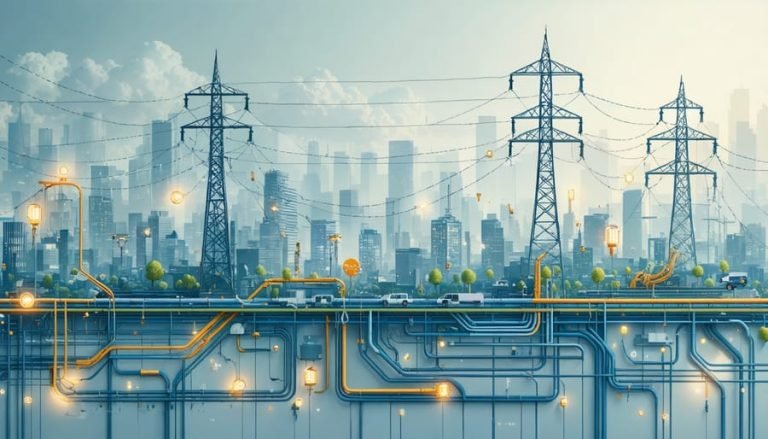
Imagine a world where the lights flicker off without warning, clean water stops flowing from your tap, or the bridge you cross daily suddenly becomes impassable. These aren't just isolated inconveniences; they are stark realities stemming from Infrastructure & Utility System Failures, incidents that ripple through communities, disrupting lives, stifling economies, and sometimes, tragically, costing lives. From crumbling roads and bursting water pipes to widespread power outages and vulnerable digital networks, the integrity of our foundational systems is constantly tested, revealing an urgent need for robust investment and forward-thinking modernization.
At a Glance: What You Need to Know
- Ubiquitous Threat: Infrastructure and utility failures are not rare events; they're a persistent and growing challenge in developed and developing nations alike.
- Root Causes: Aging systems, underinvestment, extreme weather, human error, and cyber threats are primary culprits.
- Far-Reaching Impact: Failures disrupt daily life, cause economic losses, pose public health risks, and erode trust.
- Modernization is Key: Proactive investment in smart technologies, resilient design, and preventative maintenance is crucial.
- Collective Responsibility: Addressing these issues requires collaboration between governments, industry, and informed citizens.
The Silent Crisis: Unpacking Infrastructure & Utility System Failures
Our modern world is built upon a complex, interconnected web of infrastructure and utility systems. We rarely think about them—until they break. From the moment you flip a light switch, turn on a faucet, or drive on a highway, you're interacting with systems designed to deliver essential services seamlessly. When these systems falter or collapse, the consequences range from minor inconvenience to catastrophic disaster.
Infrastructure failures encompass the breakdown of physical assets like roads, bridges, dams, public buildings, and communication networks. Utility system failures, a subset of this, specifically refer to disruptions in services such as electricity, water, wastewater treatment, natural gas, and internet connectivity. Both present unique challenges, but often their vulnerabilities and impacts are deeply intertwined. A major storm, for instance, can knock out power lines (utility failure) and simultaneously flood roads (infrastructure failure), creating a compounding crisis.
Understanding these failures isn't just about identifying problems; it's about recognizing the intricate dependencies that underpin our daily existence and anticipating where the next breakdown might occur.
The Invisible Threads: Why Our Systems Are So Vulnerable
The reasons behind these critical failures are multi-faceted, often stemming from decades of neglect, the relentless march of time, and the unpredictable forces of nature and human behavior. It's a complex tapestry woven with threads of economics, engineering, policy, and environment.
1. The March of Time: Aging Infrastructure
Many of the foundational systems in the U.S. and other developed nations were constructed generations ago, often in the post-WWII boom. These systems, designed for a different era and population size, are simply past their intended lifespan.
- Water Pipes: Thousands of miles of water mains are over 100 years old, leading to frequent bursts, significant water loss, and contamination risks.
- Roads and Bridges: Decades of traffic, harsh weather cycles, and deferred maintenance have left countless roads riddled with potholes and bridges structurally deficient.
- Power Grids: Many components of the electrical grid date back to the 1950s or earlier, making them less efficient, more prone to outages, and vulnerable to modern demands.
2. The Penny-Pinching Problem: Underinvestment
For too long, infrastructure spending has been viewed as an expense rather than a vital investment. Insufficient funding for maintenance, upgrades, and new construction creates a backlog of necessary work. This reactive approach—fixing things only after they break—is often far more costly than proactive preservation. Political cycles often prioritize short-term gains over the long-term, less visible benefits of infrastructure investment.
3. Nature's Fury: Extreme Weather and Climate Change
Our infrastructure was largely designed for historical weather patterns. Today, we face unprecedented challenges:
- More Intense Storms: Hurricanes, tornadoes, and blizzards cause widespread damage to power lines, transportation networks, and coastal defenses.
- Flooding: Rising sea levels and increased heavy rainfall events overwhelm drainage systems, inundate critical facilities, and damage underground utilities.
- Heatwaves: Extreme heat stresses power grids, buckles roads, and expands materials in bridges, leading to failures.
- Wildfires: Dry conditions and high winds contribute to wildfires that destroy infrastructure, particularly in wildland-urban interface areas.
4. The Human Element: Error, Neglect, and Attack
While often unforeseen, human factors play a significant role:
- Accidents: Construction mishaps, vehicle collisions with infrastructure, or simple operational errors can trigger widespread outages.
- Cyberattacks: Increasingly, utility systems are targets for malicious actors. A successful cyberattack could disable critical infrastructure, with devastating consequences. Consider the implications if a foreign entity were to compromise a nation's energy grid or water supply systems.
- Vandalism: Intentional damage to infrastructure, though less common for major systems, can cause localized failures.
- Lack of Redundancy: Often, systems are designed without sufficient backup mechanisms. A single point of failure can lead to cascading consequences.
The Domino Effect: How Failures Ripple Through Society
When a critical infrastructure or utility system fails, the impact rarely stops at the immediate site of the breakdown. Instead, it creates a ripple effect, disrupting interconnected systems and affecting countless aspects of community life. Understanding these cascading impacts is crucial for developing resilient solutions.
Economic Fallout: Counting the Cost
The economic consequences of infrastructure failures are immense and often underestimated.
- Business Interruption: Power outages halt production lines, close businesses, and prevent transactions, leading to lost revenue and wages.
- Supply Chain Disruptions: Damaged roads or ports delay goods, impacting manufacturing, retail, and ultimately, consumer prices.
- Increased Costs: Repairs are expensive, and emergency response efforts divert resources. Indirect costs include lost productivity and reduced tourism.
- Property Damage: Flooding from burst pipes or storm surges can devastate homes and businesses, incurring significant repair and insurance costs.
- Reduced Investment: A reputation for unreliable infrastructure can deter new businesses from investing in an area.
Public Health and Safety at Risk
The most immediate and severe impacts often hit public health and safety.
- Water Contamination: Failed water treatment plants or compromised pipes can lead to unsafe drinking water, causing illness.
- Energy Insecurity: Power outages can render heating and cooling systems inoperable, posing risks of hypothermia or heatstroke, especially for vulnerable populations. Hospitals may struggle to operate, and essential medical equipment can fail.
- Transportation Hazards: Collapsed bridges, impassable roads, or failed signaling systems can prevent emergency services from reaching those in need, delay medical transport, and cause accidents.
- Food Spoilage: Extended power outages lead to refrigeration failures, resulting in widespread food spoilage and potential health hazards.
Social Disruption and Loss of Trust
Beyond tangible costs, failures erode the social fabric and public confidence.
- Daily Life Disruption: Simple tasks become difficult or impossible without working utilities. School closures, telework challenges, and restricted movement impact daily routines.
- Mental Health Strain: Prolonged disruptions, especially after a major event, can lead to stress, anxiety, and trauma within affected communities.
- Erosion of Public Trust: Repeated failures can lead citizens to lose faith in government and utility providers' ability to deliver essential services, fueling frustration and discontent.
To truly grasp the magnitude of these events and the engineering feats required to prevent them, you might want to Explore Disasters Engineered Episode 6, which delves into the intricate details of system breakdowns and their prevention.
Forging a Resilient Future: Strategies for Modernization
The good news is that these challenges are not insurmountable. A paradigm shift from reactive fixes to proactive investment and strategic modernization can build more resilient, reliable, and sustainable infrastructure and utility systems. This isn't just about pouring more concrete; it's about smart design, innovative technology, and integrated planning.
1. Proactive Maintenance and Lifecycle Management
The adage "an ounce of prevention is worth a pound of cure" holds especially true for infrastructure.
- Regular Inspections: Implementing rigorous schedules for inspecting bridges, pipelines, power lines, and other assets.
- Predictive Analytics: Utilizing sensors and data analysis to anticipate potential failures before they occur, allowing for timely repairs or replacements.
- Scheduled Upgrades: Establishing long-term plans for phased replacement of aging components based on their expected lifespan and condition, rather than waiting for catastrophic failure.
2. Embracing Smart Infrastructure Technologies
The digital revolution offers powerful tools to enhance infrastructure resilience and efficiency.
- Smart Grids: Modernizing electrical grids with sensors, automated controls, and advanced communication systems to detect and isolate faults quickly, reroute power, and integrate renewable energy sources more effectively.
- IoT-Enabled Monitoring: Deploying Internet of Things (IoT) devices in water pipes, roads, and bridges to provide real-time data on structural integrity, leaks, traffic flow, and environmental conditions.
- Digital Twins: Creating virtual models of physical infrastructure assets that can simulate performance, identify weaknesses, and test upgrades before implementation.
3. Designing for Resilience and Adaptability
In an era of climate change and evolving threats, infrastructure must be built to withstand shocks and adapt to new conditions.
- Climate-Resilient Design: Incorporating materials and construction techniques that can better withstand extreme weather events like higher flood barriers, stronger wind-resistant structures, and heat-tolerant materials.
- Redundancy and Diversification: Building in backup systems and alternative routes to ensure that if one component fails, the entire system doesn't collapse. For example, multiple power sources or communication pathways.
- Nature-Based Solutions: Utilizing natural systems, such as wetlands for flood control or green infrastructure for stormwater management, which can be more adaptable and cost-effective than traditional "grey" infrastructure.
4. Securing the Digital Frontier: Cybersecurity for Utilities
As systems become more interconnected, their digital security becomes paramount.
- Robust Cybersecurity Protocols: Implementing advanced firewalls, intrusion detection systems, and encryption to protect critical control systems from cyberattacks.
- Regular Audits and Training: Conducting frequent vulnerability assessments and providing ongoing training for personnel to recognize and respond to cyber threats.
- Collaboration: Fostering information sharing and collaboration between government agencies, utility companies, and cybersecurity experts to address evolving threats.
5. Funding and Policy Innovation
None of these solutions are possible without sustained funding and supportive policy frameworks.
- Dedicated Infrastructure Funds: Establishing stable, long-term funding mechanisms that are independent of short-term political cycles.
- Public-Private Partnerships (PPPs): Leveraging private sector investment and expertise to finance and manage large-scale infrastructure projects.
- Updated Regulations and Standards: Revising building codes and engineering standards to reflect current climate risks and technological advancements.
- Incentives for Innovation: Providing grants or tax breaks for communities and companies that adopt innovative, resilient infrastructure solutions.
Addressing Common Misconceptions About Infrastructure Failures
Misinformation can hinder progress. Let's clear up some common misunderstandings.
Myth 1: Infrastructure failures are rare, isolated incidents.
Reality: While catastrophic failures make headlines, smaller-scale failures (e.g., daily water main breaks, localized power outages) are constant occurrences. The cumulative effect of these minor disruptions is significant, pointing to systemic weaknesses.
Myth 2: We can just build new infrastructure from scratch.
Reality: While new construction is necessary, much of the challenge lies in maintaining, upgrading, and replacing existing, extensive networks. Tearing down and rebuilding everything is often impractical, prohibitively expensive, and disruptive. Smart repair and modernization are often more feasible.
Myth 3: Technology alone will solve all our problems.
Reality: Technology is a powerful tool, but it's not a silver bullet. It requires skilled personnel to implement and maintain, robust funding, and intelligent policy. Human expertise, oversight, and ethical considerations remain critical.
Myth 4: Infrastructure is solely a government responsibility.
Reality: While governments play a leading role in funding and regulation, private utility companies, engineering firms, academic institutions, and even individual citizens (e.g., reporting issues, conserving resources) all have a part to play in maintaining and advocating for better infrastructure.
Myth 5: It's too expensive to fix everything.
Reality: The cost of inaction—in terms of economic losses, public health impacts, and emergency response—often far exceeds the cost of proactive investment. Every dollar spent on prevention can save multiple dollars in disaster recovery and repair.
Your Role in Building a Stronger Tomorrow
As individuals and communities, we are not mere spectators in the face of Infrastructure & Utility System Failures. We are stakeholders, users, and potential advocates.
- Stay Informed: Understand the condition of your local infrastructure. Many states and organizations publish "report cards" on their infrastructure.
- Report Issues: Don't ignore a flickering street light, a suspicious crack in a bridge, or a persistent water leak. Report it to local authorities.
- Support Investment: Advocate for policies and leaders who prioritize long-term infrastructure investment. Understand where your taxes go and what projects are being funded in your area.
- Practice Conservation: Conserving water and energy helps reduce strain on utility systems, extending their lifespan and reducing the likelihood of failures.
- Prepare for Disruption: Have emergency kits, backup power sources (if feasible), and communication plans in place for when failures inevitably occur. Knowing what to do in a blackout or water outage can significantly mitigate its impact on your household.
- Engage in Local Planning: Participate in community meetings and planning sessions that discuss infrastructure projects. Your voice matters in shaping future developments.
The challenge of Infrastructure & Utility System Failures is immense, but so is our capacity for innovation and collective action. By understanding the causes, appreciating the impacts, and championing modernization, we can move towards a future where our essential systems are not just robust, but truly resilient, serving communities reliably for generations to come. It’s an ongoing journey, one that demands continuous attention, smart investment, and a shared commitment to building the foundations of a thriving society.