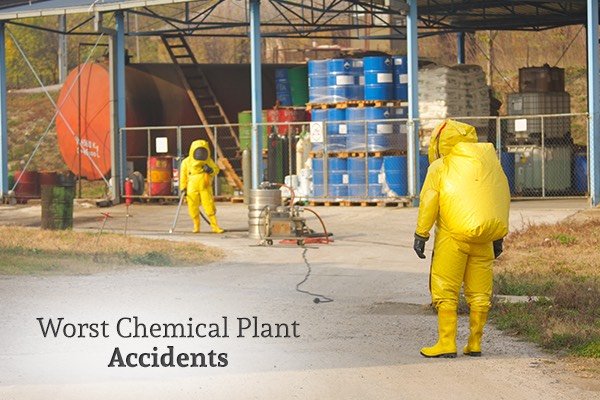
When we hear about an explosion at a manufacturing plant or a leak at a chemical facility, it’s easy to dismiss it as a rare headline, a momentary blip. But the reality is far more sobering: Industrial & Chemical Plant Accidents are a persistent, global challenge, shattering lives, devastating communities, and leaving lasting environmental scars. These aren't just statistics; they're stories of workers who never made it home, of families forever changed, and of communities grappling with the aftermath.
Understanding these incidents, from their root causes to the intricate web of prevention and response, isn't just for industry insiders. It's crucial for anyone who believes in safety, accountability, and the inherent value of human life. This guide will pull back the curtain on these complex events, offering a journalist's insight into how they happen, how we can stop them, and why vigilance is a constant necessity.
At a Glance: What You’ll Discover
- The True Cost: Beyond financial losses, the devastating human and environmental impact of industrial disasters.
- Common Culprits: Unpacking the leading causes, from human error and equipment failure to systemic process safety lapses.
- Prevention Pillars: Key strategies and frameworks, like Process Safety Management (PSM), that are essential for avoiding catastrophe.
- Leadership's Leverage: Why senior management's commitment to safety is a game-changer.
- Responding to the Unthinkable: The critical elements of effective emergency preparedness.
- Learning from Experience: How past accidents shape future safety protocols and technologies.
- Your Role in Safety: Practical steps for workers, managers, and communities to foster a culture of vigilance.
The Hidden Scars: Why Industrial Accidents Keep Happening
Every major industrial or chemical plant accident, from a seemingly minor spill to a cataclysmic explosion, serves as a harsh reminder of the inherent risks embedded in complex operations. These aren't random events; they are often the culmination of numerous small failures, overlooked warnings, or strategic missteps. The sheer scale and velocity of these incidents can be bewildering, but behind every headline lies a story of profound impact.
Beyond the Headlines: The Human Cost
Perhaps the most visceral impact of industrial accidents is the human toll. Families are torn apart, livelihoods are lost, and communities endure trauma that can last generations. Consider the recent tragedy in central Greece, where an explosion and fire at a cookie factory claimed the lives of five female night shift workers and injured seven others. The blaze, which gutted the plant, left fire crews battling for hours before recovering bodies from the destroyed building, as reported by AP News. This stark example underscores the immediate, irreversible loss of life and severe injuries that are all too common. It's a vivid illustration that industrial accidents aren't confined to highly hazardous chemical plants; they can occur in seemingly innocuous settings when safety protocols falter.
But the human cost extends beyond immediate casualties. Survivors often face long-term health issues, psychological trauma, and economic instability. The fear of recurrence can permeate a community, eroding trust and creating a pervasive sense of vulnerability.
Systemic Flaws: A Look Beneath the Surface
While "human error" is often cited as a cause, it’s rarely the complete picture. True experts understand that human error is frequently a symptom of deeper, systemic issues. These can include:
- Inadequate training: Workers might not fully understand the risks or the correct procedures.
- Pressure to cut corners: Economic pressures can lead to deferring maintenance, reducing staffing, or rushing processes.
- Poor communication: Critical information might not be shared effectively between shifts, departments, or management levels.
- Lack of investment in safety: Obsolete equipment, outdated control systems, or insufficient personal protective equipment (PPE) can escalate risks.
- Weak safety culture: When safety isn't genuinely valued from the top down, it becomes a checkbox exercise rather than an ingrained practice.
When these systemic flaws converge, they create a fertile ground for accidents, turning routine operations into potential disaster zones.
The Ripple Effect: Broader Community and Environmental Impact
The consequences of industrial and chemical plant accidents rarely stay within the facility fence line. Chemical releases can contaminate air, soil, and water, threatening local ecosystems, agriculture, and public health far beyond the immediate blast radius. These environmental scars can persist for decades, demanding extensive and costly remediation efforts.
Economically, a major accident can cripple a region. Beyond the direct costs of property damage and emergency response, there are long-term losses from business disruption, environmental fines, legal battles, and a damaged public image for the involved companies. Property values can plummet, tourism can suffer, and local businesses dependent on the plant can collapse.
Understanding the Anatomy of a Disaster: Common Causes
No two accidents are identical, yet many share common threads in their underlying causes. Identifying these patterns is the first step toward effective prevention.
Human Error: Not Always as Simple as It Seems
While easy to point fingers, "human error" is a complex beast. It encompasses:
- Operator mistakes: Incorrect valve settings, misreading gauges, or bypassing safety interlocks.
- Maintenance errors: Improper repairs, using the wrong parts, or failing to follow lock-out/tag-out procedures.
- Supervisory oversights: Inadequate instruction, poor hazard identification, or failing to enforce safety rules.
Crucially, these aren't always individual failings. They often occur within a system that is poorly designed, lacks clear procedures, or imposes undue pressure. A robust safety system acknowledges human fallibility and builds layers of protection to mitigate its impact.
Equipment Failure: The Silent Saboteur
Machinery, pipes, valves, and control systems are the workhorses of any industrial plant. When they fail, the consequences can be catastrophic. Common equipment failure scenarios include:
- Corrosion or fatigue: Leading to leaks, ruptures, or structural collapse.
- Malfunctioning sensors or alarms: Failing to detect dangerous conditions in time.
- Over-pressurization or over-temperature: Due to control system failures or external heat sources.
- Mechanical breakdown: Pumps seizing, agitators failing, or conveyors jamming.
The OECD highlights the issue of ageing hazardous installations as a significant concern, noting that older infrastructure often requires more diligent maintenance and upgrades to remain safe. Neglecting these assets is akin to inviting disaster.
Process Safety Lapses: When Systems Break Down
Process safety management (PSM) is about managing the integrity of operating systems that handle hazardous substances. Lapses here are systemic and often invisible until an accident occurs. These can include:
- Inadequate hazard identification and risk assessment: Failing to understand potential dangers of materials or processes.
- Poor management of change (MOC): Not properly evaluating new equipment, procedures, or raw materials for safety implications.
- Lack of incident investigation: Failing to thoroughly analyze near-misses or minor incidents, thus missing opportunities to learn and prevent larger accidents.
- Deficient contractor safety management: Assuming contractors are always operating safely without proper oversight.
These systemic issues often reveal themselves when you Explore Disasters Engineered Episode 6, where the intricate failures in engineering and process management lead to catastrophic outcomes.
External Factors: Natech Disasters and Beyond
Sometimes, the initial trigger for an industrial accident isn't internal. The OECD series on chemical accidents specifically focuses on natural hazard triggered technological (Natech) disasters. These occur when a natural event, like an earthquake, flood, wildfire, or severe weather, impacts an industrial facility, leading to a release of hazardous materials, explosions, or fires.
Other external factors can include:
- Cyberattacks: Disrupting control systems or safety protocols.
- Sabotage or terrorism: Intentional acts causing harm.
- Utility failures: Power outages or water supply interruptions affecting critical cooling or safety systems.
Preparing for Natech events requires a dual approach, integrating natural disaster preparedness with industrial safety protocols. This means hardening facilities against specific regional hazards and having robust emergency plans that account for multiple, concurrent failures.
Building Resilience: A Framework for Prevention and Preparedness
Preventing industrial and chemical plant accidents isn't a single action; it's a continuous, multi-faceted commitment. It requires a robust framework that integrates technology, human factors, and organizational culture.
The Core Pillars of Process Safety Management (PSM)
Process Safety Management (PSM) is a comprehensive program designed to prevent the release of highly hazardous chemicals. It's built on a series of interdependent elements, typically including:
- Process Hazard Analysis (PHA): Systematically identifying, evaluating, and controlling process hazards.
- Operating Procedures: Clear, concise instructions for every phase of operation, including startup, shutdown, and emergencies.
- Training: Ensuring all employees, including contractors, are competent in their roles and aware of hazards.
- Mechanical Integrity: Ensuring equipment is designed, installed, and maintained to appropriate standards.
- Management of Change (MOC): A formal system to review and approve any changes to processes, equipment, or procedures.
- Pre-Startup Safety Review (PSSR): Confirming that new or modified facilities are ready for safe operation before chemicals are introduced.
- Incident Investigation: Thoroughly analyzing all incidents and near-misses to identify root causes and implement corrective actions.
- Emergency Planning and Response: Developing and practicing plans for various emergency scenarios.
These pillars are not optional; they are the bedrock of safe industrial operations, forming a layered defense against potential failures.
Beyond Compliance: Cultivating a Safety Culture
While regulatory compliance sets a baseline, a truly safe operation goes "beyond compliance" to foster a strong safety culture. This means:
- Leadership commitment: Safety is visibly prioritized by senior management, not just in words but in resource allocation and decision-making.
- Employee involvement: Workers are encouraged to identify hazards, report near-misses, and participate in safety initiatives without fear of reprisal.
- Open communication: A transparent environment where safety concerns are discussed openly and addressed promptly.
- Continuous learning: Accidents and near-misses are viewed as learning opportunities, leading to system improvements rather than just blame.
- Accountability: Individuals and teams are held accountable for safety performance at all levels.
A robust safety culture makes safety an intrinsic value, not just a rule to follow.
Strategic Investments: Ageing Infrastructure & Ownership Changes
The OECD emphasizes the challenges posed by ageing hazardous installations and ownership changes in hazardous installations. As facilities age, components wear out, technology becomes outdated, and risks can increase. Proactive investment in upgrades, replacements, and enhanced maintenance is crucial.
Similarly, when ownership changes hands, there's a risk that institutional knowledge about past hazards, operational nuances, and established safety practices can be lost. Due diligence during acquisitions must extend deeply into safety records, PSM program integrity, and the maintenance history of the plant. New owners must commit to understanding and upholding, if not improving, existing safety standards.
Emergency Response: Planning for the Unthinkable
Even with the best prevention strategies, accidents can happen. Effective emergency planning and response are therefore non-negotiable. This involves:
- Detailed emergency plans: Covering various scenarios (fire, explosion, chemical release, medical emergency).
- Clear communication protocols: For internal staff, emergency services, and the surrounding community.
- Regular drills and exercises: Practicing emergency procedures to ensure everyone knows their role.
- Adequate resources: On-site emergency teams, specialized equipment, and access to external professional responders.
- Community engagement: Informing local residents about potential hazards and evacuation procedures.
The ability to respond quickly and effectively can significantly mitigate harm, prevent escalation, and save lives.
Leading from the Top: The Critical Role of Senior Leadership
The tone for safety is set at the very top. The OECD reports on chemical accidents highlight the importance of involvement and awareness of senior leaders in process safety. This isn't just about lip service; it's about active engagement and strategic decision-making.
Awareness and Involvement: More Than Just Sign-Offs
Senior leaders must be deeply aware of the specific hazards their facilities pose, the robustness of their PSM systems, and the culture of safety within their organization. This awareness should translate into:
- Active participation: Joining safety audits, engaging in safety meetings, and visibly championing safety initiatives.
- Knowledge of key metrics: Understanding safety performance indicators, incident rates, and compliance status.
- Asking tough questions: Challenging assumptions, probing for weaknesses, and demanding clear explanations for safety issues.
When senior leaders are genuinely involved, it sends a powerful message throughout the organization: safety is not just a departmental concern; it's fundamental to the business.
Resource Allocation: Putting Safety First
True commitment to safety is ultimately reflected in resource allocation. Senior leaders are responsible for ensuring that:
- Sufficient budget: Is allocated for maintenance, upgrades, training, and emergency response infrastructure.
- Adequate staffing: Qualified personnel are available for operations, maintenance, and safety roles.
- Time is provided: For safety training, hazard assessments, and continuous improvement initiatives.
Under-investment in any of these areas can create vulnerabilities that, when combined with other factors, can lead to catastrophic failures. Prioritizing short-term cost savings over long-term safety investments is a dangerous gamble no leader should make.
Learning from Catastrophe: Case Studies and Best Practices
Every accident, and even every near-miss, offers invaluable lessons. The industry has evolved significantly by meticulously studying failures and embedding those learnings into improved designs, procedures, and regulations.
Proactive Measures: Audits, Inspections, and Risk Assessments
To truly prevent accidents, organizations must be proactive. This means regularly undertaking:
- Safety Audits: Systematic evaluations of a facility's safety management system against established standards and best practices. These often involve external experts who can provide an unbiased perspective.
- Regular Inspections: Routine checks of equipment, processes, and work areas to identify potential hazards, wear and tear, or non-compliance.
- Comprehensive Risk Assessments: Identifying potential hazards, analyzing their likelihood and severity, and developing mitigation strategies. This isn't a one-time event; risks evolve, so assessments must be ongoing.
These measures help identify latent conditions or emerging threats before they can escalate into incidents.
Training and Empowerment: Equipping Your Workforce
A well-trained workforce is the frontline of defense against accidents. Training must go beyond initial onboarding to include:
- Refresher courses: To reinforce critical knowledge and skills.
- Scenario-based training: Practicing responses to simulated emergencies.
- Hazard-specific training: Focusing on the unique risks associated with particular processes or chemicals.
- Empowerment: Giving workers the authority and encouragement to stop work if they perceive an unsafe condition, without fear of retribution.
When employees are knowledgeable, confident, and empowered, they become active participants in maintaining a safe environment.
Leveraging Technology: From Sensors to Simulation
Advancements in technology offer powerful tools for enhancing safety:
- Advanced Sensors and IoT: Real-time monitoring of temperature, pressure, flow, and chemical concentrations can detect deviations immediately.
- Predictive Maintenance: Using data analytics to forecast equipment failures, allowing for repairs before breakdowns occur.
- Simulation and Virtual Reality (VR): For training operators in complex procedures or emergency responses in a safe, controlled environment.
- Robotics and Automation: Reducing human exposure to hazardous areas.
- Data Analytics and AI: Identifying patterns in near-misses, maintenance records, and operational data to predict and prevent future incidents.
These technologies aren't just about efficiency; they are critical for building intelligent, resilient safety systems.
Addressing Common Concerns: Your Questions Answered
Understanding the nuances of industrial safety is key to effective prevention and response. Here are some common questions people have:
Q: What's the fundamental difference between an "industrial accident" and a "chemical plant accident"?
A: While often overlapping, an "industrial accident" is a broader term encompassing any accident in an industrial setting – a factory, construction site, mining operation, etc. This could involve machinery, falls, fires, or even the cookie factory explosion mentioned earlier. A "chemical plant accident" is a specific type of industrial accident that involves the storage, handling, or processing of hazardous chemicals, leading to events like toxic releases, chemical fires, or explosions stemming from chemical reactions. All chemical plant accidents are industrial accidents, but not all industrial accidents are chemical plant accidents.
Q: How can workers protect themselves or raise concerns without fear of reprisal?
A: Workers are legally protected in many jurisdictions (e.g., OSHA in the US) to raise safety concerns. Look for a strong "stop work authority" policy, anonymous reporting mechanisms, and a union or designated safety representative. A truly healthy safety culture encourages reporting without blame, focusing on systemic fixes rather than individual punishment. Documenting concerns and understanding company procedures and legal rights are crucial.
Q: What role do government regulators play in preventing these accidents?
A: Government agencies (like OSHA, EPA, HSE in the UK) set and enforce safety standards, conduct inspections, investigate accidents, and can issue fines or other penalties for non-compliance. They often mandate specific safety programs like PSM for facilities handling hazardous materials. While regulations provide a necessary baseline, truly safe operations often exceed these minimum requirements.
Q: Are smaller plants less prone to accidents, or are larger ones more dangerous?
A: Accident rates aren't simply correlated with size. Smaller plants might have fewer resources for dedicated safety staff, advanced systems, or extensive training, potentially increasing risk. Larger, more complex facilities handle greater volumes of hazardous materials and have more intricate processes, leading to higher potential severity if an accident occurs. Both sizes face unique challenges, and robust safety management is critical regardless of scale.
The Path Forward: Sustaining Vigilance in a Complex World
The threats posed by industrial and chemical plant accidents are dynamic, evolving with new technologies, changing global supply chains, and emerging environmental challenges. Sustaining safety isn't a destination; it's a perpetual journey demanding continuous effort and adaptation.
Continuous Improvement: A Non-Negotiable Commitment
The mindset of "good enough" is the enemy of safety. Leading organizations understand that continuous improvement is vital. This involves:
- Regularly reviewing and updating PSM programs: Based on new insights, technologies, and regulatory changes.
- Benchmarking against best practices: Learning from leaders in the industry and adopting their successful strategies.
- Fostering a learning organization: Where every incident, near-miss, and even suggestion is seen as an opportunity to enhance safety.
- Investing in R&D: Exploring innovative safety technologies and methodologies.
This iterative process ensures that safety systems remain robust, relevant, and effective against evolving risks.
Collaboration and Knowledge Sharing
No single company or country has all the answers. The complexity of modern industrial operations demands collaboration:
- Industry associations: Sharing best practices, developing common standards, and conducting joint research.
- Regulatory bodies: Collaborating with industry to develop pragmatic and effective regulations.
- International cooperation: Organizations like the OECD facilitate the sharing of reports on chemical accidents, common principles, and policy guidance for prevention, preparedness, and response across borders. This includes critical areas like Natech disaster planning and the awareness of senior leaders.
- Public-private partnerships: Working together on emergency preparedness and community outreach.
Collective knowledge and shared lessons are powerful tools in the global effort to enhance safety.
The Ultimate Goal: Zero Harm
While achieving absolute "zero accidents" might seem aspirational in industries with inherent hazards, it remains the ultimate ethical and operational goal. It represents a commitment to every worker, every community, and every ecosystem. It drives the relentless pursuit of safer designs, more robust systems, better training, and an unwavering safety culture.
The dangers posed by Industrial & Chemical Plant Accidents are real, but they are not insurmountable. Through diligent prevention, thorough preparedness, courageous leadership, and a commitment to continuous learning, we can significantly reduce their occurrence and impact. It’s a collective responsibility to ensure that the pursuit of progress never comes at the cost of human life or environmental integrity.