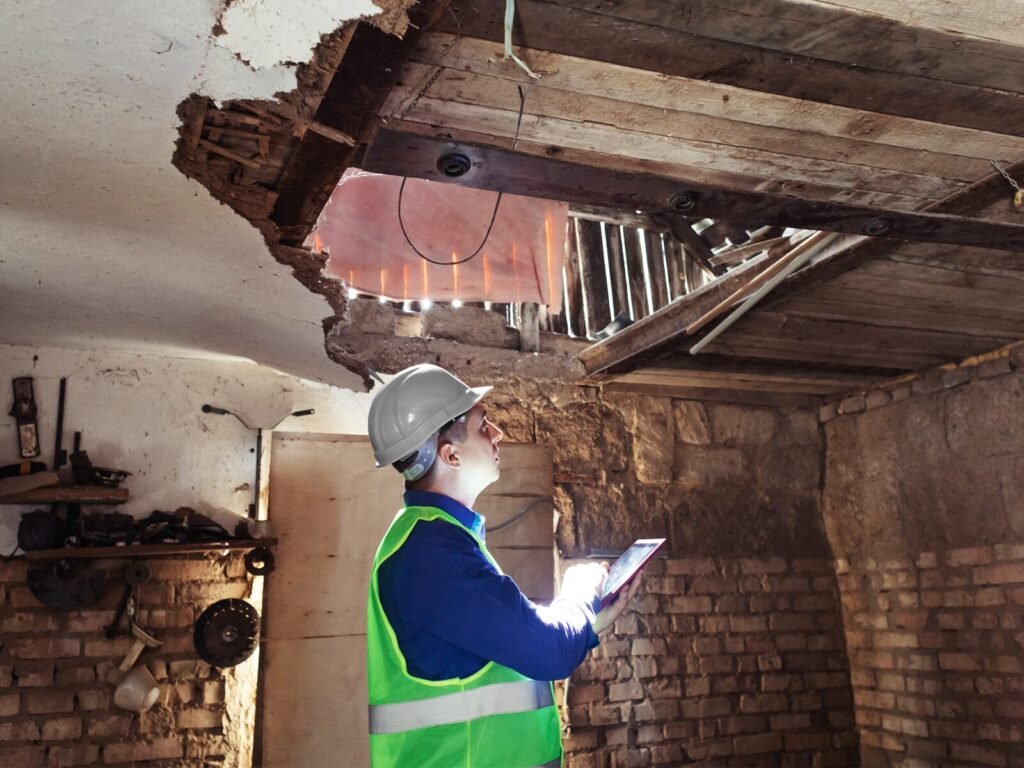
When disaster strikes, or a product inexplicably fails, the immediate questions are always "What happened?" and "Why?" Answering these isn't just about curiosity; it's often critical for safety, liability, and preventing future occurrences. This is precisely where Forensic Engineering Methodologies come into play, applying the rigorous principles of science and engineering to peel back the layers of an incident, revealing the truth beneath. It’s about more than just identifying a problem; it’s about scientifically proving its origin and impact, often in the crucible of a legal dispute or public safety investigation.
At a Glance: What You'll Learn About Forensic Engineering
- The Scientific Detective Work: How engineers apply scientific principles to investigate failures, accidents, and other incidents.
- Beyond Surface Scratches: The core objective of determining the root cause of failure, not just identifying symptoms.
- A Broad Church of Expertise: From structural collapses to product defects and collision reconstructions, how various engineering disciplines contribute.
- The Systematic Approach: A five-step methodology, from evidence gathering to expert testimony, that ensures thoroughness and scientific rigor.
- Distinctions That Matter: Understanding the difference between forensic engineering, failure analysis, and root cause analysis.
- Why It's Critical: Its vital role in public safety, improving quality, and informing legal and insurance decisions.
When Structures Crumble and Systems Fail: The Call for Forensic Engineering
Imagine a bridge suddenly gives way, a piece of heavy machinery malfunctions causing injury, or a new building develops inexplicable cracks. These aren't just unfortunate events; they are complex puzzles demanding answers. Forensic engineering is the specialized field that steps into this breach. It's an interdisciplinary pursuit, drawing from civil, mechanical, electrical, structural, and materials engineering, all to meticulously investigate, analyze, and reconstruct failures, accidents, and other incidents.
The primary goal? To pinpoint the precise cause of failure or incident. This isn't guesswork. It's a scientific endeavor involving the careful collection of physical evidence, the rigorous analysis of facts, and the reconstruction of events. The findings often serve as the bedrock for legal proceedings, insurance claims, or crucial public safety recommendations.
The Pillars of Practice: Understanding Core Forensic Engineering Disciplines
The breadth of forensic engineering is truly impressive, touching almost every facet of our built and mechanical world. Each incident brings its unique challenges, often requiring a specialized lens.
Consider a collapsing building or a bridge failing under stress. Here, structural and civil forensic engineers delve into material properties, design flaws, construction practices, and environmental factors. They might analyze everything from steel girders to concrete foundations, looking for signs of fatigue or improper loading. This often involves detailed stress analysis and simulations. For a deeper dive, exploring fascinating case studies of structural failures can provide invaluable context on these complex investigations.
Then there are the unfortunate events involving vehicle collisions. Collision reconstruction engineers are like detectives of physics, calculating forces, speeds, and trajectories to determine the sequence of events leading to an accident. Their work often involves advanced simulations and the analysis of vehicle black box data.
Fires, whether in residential homes or industrial facilities, present another complex investigative landscape. Fire and building code experts work to identify the origin and cause of a fire, often uncovering violations of safety codes or faulty electrical systems. Their insights are crucial for both criminal investigations and for establishing liability.
Even seemingly simple product malfunctions fall under the forensic umbrella. If a household appliance sparks a fire or a component in an aircraft wing fractures, product and material failure engineers meticulously examine the failed parts. They might use advanced microscopy, chemical analysis, or mechanical testing to understand why a material failed prematurely, sometimes requiring a deep dive into material fatigue.
Beyond these, the field extends to:
- Biomechanical and Bodily Injury: Investigating falls, impacts, and other incidents to understand how forces caused specific injuries.
- Electrical Failures: Tracing power surges, faulty wiring, or component breakdowns that lead to damage or fires.
- Geotechnical Investigations: Analyzing ground stability, landslides, or foundation issues that impact structures.
- Environmental Disaster Investigations: Examining the causes and impacts of incidents like oil spills or chemical releases.
Dissecting the Incident: The Systematic Forensic Engineering Methodologies
At its heart, forensic engineering operates on a highly systematic and scientific process. It’s a methodical journey from chaotic incident scene to clear, evidence-based conclusions. Think of it as a scientific investigation where every step builds on the last, ensuring that no stone is left unturned and every conclusion is rigorously supported.
Step 1: Gathering Data and Evidence — The Foundation
Every investigation begins with collecting raw information. This isn't just about looking at the wreckage; it’s a comprehensive effort to capture every conceivable piece of data related to the incident.
- Site Inspection: The engineer visits the scene, often immediately after the incident (or as soon as it's safe). This involves documenting the scene with detailed photographs, video recordings, and measurements. Everything from debris patterns to scorch marks or structural deformation is cataloged.
- Document Review: This is where the paper trail becomes invaluable. Engineers pore over design blueprints, construction specifications, maintenance logs, manufacturing records, operational procedures, and relevant regulatory documents or building codes.
- Witness Accounts: Interviews with eyewitnesses, operators, maintenance personnel, or anyone else with direct knowledge can provide crucial context and direct the investigation towards specific areas.
- Data Acquisition: In many modern incidents, digital data is paramount. This can include sensor data from machinery, 'black box' recorders from vehicles, SCADA system logs, security camera footage, and even weather data.
The goal here is to be exhaustive. You never know which small detail might become a critical clue later.
Step 2: Analyzing the Evidence — The Scientific Interrogation
With a mountain of data collected, the forensic engineer transforms into an analyst, applying a deep understanding of scientific and engineering principles. This is where hypotheses start to form and are tested against the gathered facts.
- Engineering Calculations: Recreating forces, stresses, deflections, and loads using the laws of physics and engineering mechanics. This might involve complex finite element analysis (FEA) for structural components or kinetic energy calculations for collisions.
- Material Science Testing: For failed components, laboratory analysis is often essential. This could involve microscopy (SEM for fracture analysis), spectroscopy (for material composition), hardness tests, or tensile strength evaluations. These tests can reveal manufacturing defects, material degradation, or improper material selection.
- Failure Mode and Effects Analysis (FMEA): Systematically identifying potential failure modes in a system, assessing their causes and effects, and predicting likely outcomes.
- System Analysis: Examining how different components or systems interacted leading up to the incident. This is especially crucial in complex machinery or integrated systems.
This phase aims to translate raw data into meaningful insights, identifying potential mechanisms of failure.
Step 3: Developing Hypotheses — Crafting the Narrative
Once the evidence has been analyzed, the forensic engineer begins to formulate plausible explanations for what occurred. These aren't wild guesses; they are informed theories, grounded in scientific principles and supported by the available evidence.
- Scenario Building: Creating step-by-step sequences of events that could have led to the incident.
- Root Cause Identification: Proposing the fundamental reason(s) why the failure happened, moving beyond immediate symptoms. Was it a design flaw? A manufacturing defect? Improper maintenance? Operator error? Environmental stress?
- Considering Alternatives: It's vital to develop multiple hypotheses, even seemingly contradictory ones, to ensure a thorough investigation. This prevents tunnel vision and ensures all possibilities are considered.
This stage is about weaving the analytical findings into coherent, testable stories.
Step 4: Testing the Hypotheses — Validation and Refutation
A hypothesis, no matter how elegant, is just a theory until it's tested. This is a critical differentiator in forensic engineering: conclusions must be verifiable.
- Simulation and Modeling: Using computer software to recreate the conditions of the incident and see if the hypothesized failure occurs under those circumstances. This can range from structural simulations to fluid dynamics modeling.
- Physical Experiments: Replicating specific aspects of the incident in a laboratory setting. For instance, testing a similar component to its breaking point under controlled conditions to understand its failure characteristics.
- Comparative Analysis: Comparing the failed component or system to an undamaged exemplar to highlight differences that might point to a failure cause.
- Expert Consultation: Sometimes, additional specialized expertise is required. Consulting with a metallurgist for a specific material issue, or a software engineer for system control issues.
The goal here is to either validate a hypothesis with overwhelming evidence or refute it, forcing a re-evaluation and potentially the development of new hypotheses. This iterative process is key to arriving at the most accurate explanation. For those interested in how these investigations play out in real-world scenarios, consider exploring Disasters Engineered Episode 6, which often highlights the rigorous testing phases.
Step 5: Providing Opinions or Testimony — Communicating the Findings
The final stage is about effectively communicating the findings. This often means presenting conclusions in a clear, concise, and defensible manner, particularly in legal or regulatory contexts.
- Expert Reports: Producing detailed, comprehensive reports outlining the methodologies used, the evidence collected, the analysis performed, the hypotheses considered, and the final conclusions. These reports must be objective and based solely on scientific and engineering principles.
- Expert Witness Testimony: Often, the forensic engineer will be called upon to present their findings in court, arbitration, or other legal proceedings. This requires the ability to explain complex technical information to a non-technical audience (judge, jury) while maintaining scientific accuracy and impartiality. Understanding effective expert witness testimony is crucial for engineers in this role.
- Recommendations: Beyond just identifying the cause, forensic engineers often provide recommendations for preventative measures, design changes, or operational improvements to avoid similar incidents in the future. This links directly to improving public safety and product quality.
The clarity and integrity of this final step are paramount, as the findings can have profound implications for liability, regulations, and future safety standards.
Forensic Engineering vs. Its Cousins: Failure Analysis and Root Cause Analysis
It's easy to confuse forensic engineering with related terms like "failure analysis" or "root cause analysis." While all three aim to understand why something went wrong, their scope and context differ significantly.
- Failure Analysis: This is the most specific of the three. It focuses on investigating a particular part or component to determine its failure mechanism. For example, why did a specific bolt shear? Or why did a certain circuit board burn out? It's a critical tool within forensic engineering, often a key part of Step 2 (Analyzing the Evidence), but it doesn't encompass the full investigative process or its broader legal context.
- Root Cause Analysis (RCA): RCA takes a broader view, exploring systemic factors that contributed to a failure. While a failure analysis might tell you how a bolt sheared, RCA would ask why that bolt was put under such stress, why the design didn't account for it, or why the maintenance schedule allowed for its degradation. RCA often delves into organizational practices, managerial decisions, and procedural shortcomings. It's about identifying the most fundamental underlying issue, which might be far removed from the physical failure itself.
- Forensic Engineering: This is the overarching application of engineering principles to investigate incidents, accidents, or failures within a legal or dispute resolution context. It encompasses both failure analysis and root cause analysis, using them as tools to construct a complete, scientifically defensible narrative for legal proceedings, insurance claims, or regulatory investigations. It’s the full package, from initial incident to expert testimony.
Think of it this way: Failure analysis is a magnifying glass on a specific part. Root cause analysis is a systems-level inquiry into the organizational "why." Forensic engineering is the entire detective agency, bringing all these tools and expertise to bear when the stakes are high, often involving legal implications.
Real-World Impact: Where Forensic Engineering Makes a Difference
The practical applications of forensic engineering are vast and touch many industries and aspects of daily life.
- Legal & Insurance: This is perhaps the most well-known domain. Forensic engineers provide expert opinions in lawsuits involving product liability, professional negligence (e.g., in construction), personal injury, or property damage. Their objective findings help courts and juries understand complex technical issues and assign responsibility. Insurers rely on their reports to validate claims and determine coverage.
- Construction & Infrastructure: After a building collapse, bridge failure, or significant structural damage (e.g., from an earthquake or extreme weather), forensic engineers are critical. They help determine if design flaws, construction errors, material defects, or unforeseen environmental factors were at play, guiding repairs and future preventative measures.
- Manufacturing: When a product recall is necessary due to a defect causing injury or property damage, forensic engineers trace the failure back to its source in the manufacturing process or design. Their work is vital for improving product safety and reliability, contributing to proactive design and preventative measures.
- Public Safety & Regulation: Government agencies often commission forensic investigations after major accidents (e.g., plane crashes, train derailments, industrial explosions) to understand causes and inform new regulations or safety standards. This directly contributes to protecting the public.
- Environmental Protection: Investigations into industrial accidents, chemical spills, or pollution events often require forensic engineering to determine the source, extent, and cause of environmental damage.
The Engineer's Oath: Ethics and Best Practices in Forensic Work
The role of a forensic engineer comes with significant responsibility, especially when their findings can impact legal outcomes, reputations, and public safety. Maintaining integrity and objectivity is paramount.
- Impartiality: A forensic engineer's primary duty is to the truth, based on scientific evidence, not to the client who hired them. They must remain objective and unbiased in their analysis and conclusions, even if the findings are unfavorable to their client's position. This ethical backbone forms the core of ethical considerations in forensic investigations.
- Competence: Engineers must only undertake investigations within their areas of expertise. If an investigation requires specialized knowledge they don't possess, they have a professional obligation to recommend consulting with other qualified experts.
- Thorough Documentation: Every step of the investigation, from photo logs to calculation sheets and test results, must be meticulously documented. This ensures reproducibility of findings and provides a clear audit trail.
- Clear Communication: Technical findings must be communicated clearly and understandably to non-technical audiences, both verbally and in written reports. Avoiding jargon or explaining it effectively is crucial.
- Continuous Learning: The field of engineering is constantly evolving, with new materials, technologies, and methodologies emerging. Forensic engineers must commit to ongoing professional development to stay current.
Collaborating for Clarity: Who Works with a Forensic Engineer?
Forensic engineering is rarely a solo act. It thrives on collaboration with a diverse group of professionals, each bringing a unique perspective to the investigation.
- Lawyers: In legal contexts, lawyers rely heavily on forensic engineers to provide technical expertise, assist with discovery, interpret evidence, and serve as expert witnesses. The engineer translates complex technical details into understandable legal arguments.
- Insurance Adjusters: For property damage or liability claims, adjusters work with engineers to determine the cause of loss, assess damages, and evaluate policy coverage.
- Architects and Contractors: In construction disputes or failures, these professionals provide insight into design intent, construction processes, and on-site conditions, which the engineer can then analyze.
- Manufacturers: Companies involved in product liability cases often engage forensic engineers to investigate alleged defects and provide technical defenses or identify areas for product improvement.
- Regulators and Government Agencies: From OSHA to the NTSB, government bodies frequently engage forensic engineers to investigate accidents, ensure compliance with safety standards, and inform policy.
- First Responders and Law Enforcement: Especially in incidents involving criminal elements or significant public danger, engineers work alongside police and fire departments to secure scenes, gather evidence, and reconstruct events.
This interdisciplinary approach ensures that all angles of an incident are considered, leading to the most comprehensive and accurate conclusions possible.
Beyond the Incident: Driving Future Safety and Innovation
The work of a forensic engineer doesn't end with a report or testimony. Its true value often lies in its ability to influence the future. By dissecting failures, these experts provide crucial feedback that drives improvements in design, manufacturing, and operational practices.
Every meticulously investigated accident, every product failure analyzed, becomes a lesson learned. These lessons are integral to developing safer products, designing more resilient infrastructure, and implementing more robust safety protocols. In essence, forensic engineering is a proactive force, transforming past mistakes into blueprints for a safer, more reliable future. It's about ensuring that the complex systems we build and rely upon are not only functional but also inherently safe and continuously improving.